
In this article
A traveler's journey is not a linear marketing funnel. Think of Martina, who decides to run her first marathon in Torres del Paine. Her path is not simply seeing an ad and booking; it is a complex route, an omnichannel customer journey applied to special interest tourism that combines many physical and digital interactions long before the final decision. She searches for information, watches videos, reads reviews from other users and compares rates. Special interest tourism requires companies to design experiences that connect every touchpoint in a seamless and consistent way.
Consistency and the value of service
Omnichannel in tourism goes far beyond integrating digital sales channels.
A basic omnichannel criterion is real-time visibility for employees (and customers) at every touchpoint. And that goes well beyond technology. Very often the technology is already there; what is missing are defined processes and a clear customer service protocol. Omnichannel customer experience is, above all, consistency and fluidity when moving from one channel to another. For example, moving from the website to social media, or from an OTA such as Booking to the property's own site.
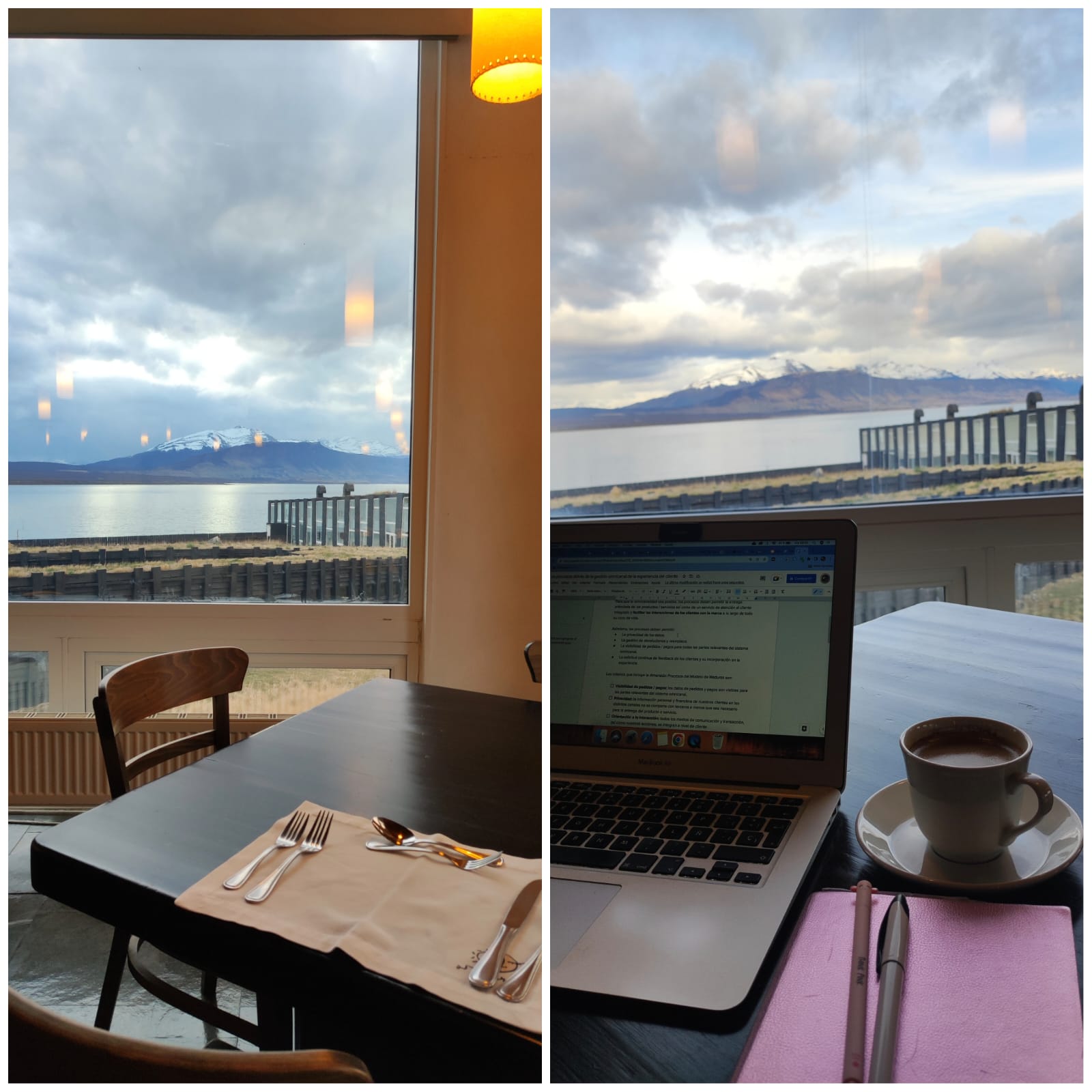
Likewise, variability and inconsistency destroy customer retention. I have experienced this first hand during hotel stays in my region: you can have a beautiful ocean view that puts you in a state of flow, but if the food service keeps deteriorating or attention declines, the value-for-money equation breaks and the customer decides never to return. The same happens with destinations I have visited frequently. I have traveled to Patagonia every year since 2022, precisely because of a trail running race or because of my work. The first time I stayed at an incredible hotel that had an agreement with the race organizers. It was not cheap, but I felt the service was worth it. And it was: I had a great time, the service was very good and it felt worthwhile. The following year I decided to return to the same place. The experience was fine, but nothing more. The hotel had changed management and the level of attention was no longer the same. It was also more expensive. Unsurprisingly, by the third year I booked somewhere else.
How do you measure the omnichannel maturity of a tourism business?
For travel agencies, hotels or destinations themselves, implementing an omnichannel strategy with intent means stopping treating the concept as a utopia and breaking it down into practical management elements. Drawing on my doctoral research on omnichannel customer experience, I developed a maturity model structured around 8 key dimensions that need to work together:
- Business strategy: the corporate will to prioritize omnichannel and allocate material and human resources from the top.
- Channel management: how the organization orchestrates channels to support the customer.
- Customer experience: the intentional design of a seamless experience across the whole customer lifecycle.
- People and culture: the role of employees and internal empowerment to resolve friction for the traveler.
- Data and analytics: using data and metrics as signals to spot trends and improve operations.
- Processes: the internal and operational activities that sustain a fluid service.
- Technology: the tools that enable channel integration without falling into mere service "gadgetization".
- Brand management: the level of engagement and reputation the brand builds with its audience over time.
Which maturity level is your business at?
Every organization goes through a transformation process toward omnichannel in which 6 maturity levels can be identified:
- Non-existent: no initiatives and no integrated channels.
- Emerging: first steps with a very basic, isolated focus.
- Multichannel: presence across several channels, but operating in silos.
- Transitioning to omnichannel: integration begins and key sponsors back the change.
- Managed omnichannel: channels consistently orchestrated with a customer focus.
- Optimized omnichannel: continuous measurement and dynamic adaptation of the whole user experience.
Assess your company's omnichannel maturity for free
Do you want to know where your hotel, agency or tour operator sits on the scale and build a clear roadmap to improve your travelers' experience?
I invite you to assess your company for free by completing our self-diagnosis model.
You will receive a detailed report with your gaps and opportunities, so you can start designing experiences your customers actually want to talk about.